pgpr e476
Product Description
PGPR E476 Manufacturer and Supplier | Changchun Doris Trading Co., Ltd
Since 2017, our main business has been sending high-quality food products to producers all over the world. The PGPR E476 we sell is a high-performance lipophilic emulsifier that meets E476 standards and is made to be used in the making of chocolate and sweets.
Our product has an acid value of less than 6 mgKOH/g and a hydroxyl value of 120 to 170 mgKOH/g, which makes it very good at controlling viscosity. We have 97 industry customers around the world, and we can make unique recipes in 7 days and finish production in about 15 days. We make sure that every batch meets the strict international food safety standards by having FDA, ISO, HALAL, KOSHER, and FSSC certificates. Our supply chain supports variable order numbers with dependable global transportation. Packaging choices range from 25 kg to 200 kg.
Why Choose Doris as Your PGPR E476 Partner?
Enterprise-Grade Quality Standards
You should only eat products that meet the strictest government standards. Our buildings have many foreign approvals, such as FDA, HALAL, KOSHER, and FSSC. Every lot of products goes through strict quality control tests to make sure they are pure and work the same way every time.
To make sure of the emulsification strength, we do hydroxyl value research. Heavy metal tests keeps the lead level below 2.0 ppm and the arsenic level below 3.0 ppm, which protects the image of your brand.
Fast Customization & Production
In competitive food making, time-to-market is important. Based on your unique application needs, we can create a recipe just for you in 7 business days.
The production schedule is finished in about 15 days. Our expert team is here to help you through the whole development process. They can help you improve the way chocolate flows or make low-fat spreads more stable.
Flexible Supply Chain Solutions
We know that production plans can change quickly. That's why we keep some goods in stock and offer mixed container loading with other food ingredients.
Our extensive logistics network guarantees on-time delivery, whether you need sea freight for large orders or air transport for urgent needs. You get cheap freight rates and quick help with clearing customs.
One-Stop Ingredient Procurement
You can get 208 different food products from a single reliable seller, which will make the process of getting them easier. This is something that many of our customers do at the same time.
This simplified method makes managing your suppliers easier. You'll save money on purchases and get the same high quality across all of your ingredients.
Key Advantages of Our Product
Superior Rheology Control
The yield stress in chocolate mass is greatly reduced by our pgpr e476. It does not change the plastic viscosity. This solves the very important problem of uneven layer thickness during fast enrobing processes.
When used at amounts between 0.2% and 0.5%, it makes flowability a lot better. Your cost efficiency is directly affected by the fact that your production lines get better covering with less cocoa butter use.
Synergistic Emulsification Performance
Our product makes the best chocolate taste when mixed with soy lecithin. In order to get close to Newtonian fluid behavior, lecithin works on both plastic viscosity and yield stress.
Compound surfaces no longer have air holes because of this combination. Smoother ends will show up on covered nuts and cakes, even in recipes with less cocoa butter.
Thermal Stability Under Processing Stress
For long stretches of time, your conching process works at temperatures above 80°C. Our product's chemistry structure stays the same after being heated to very high temperatures.
Because the product is resistant to heat, it doesn't break down when mixed for a long time. This stability makes sure that the product works the same way every time, so your end goods won't have as much recipe variety.
Plant-Based & Certification-Friendly
Our stabilizer, which is made from castor oil and veggie glycerol, helps make vegan, halal, and kosher products. This gives you more market options without having to deal with the headaches of reformulating.
The element meets the requirements of both the FCC and the JECFA. When you use our product to mark goods for foreign sale in a variety of legal settings, you can do so with confidence.
Organoleptically Neutral Profile
The high-purity recipe makes sure that the taste of your chocolate doesn't change. When acid levels are within the acceptable range, the product doesn't have any unpleasant smells.
This balance helps you keep the real taste profile you've created. Your sense screens won't pick up on any interference, so your brand will stay the same from one production run to the next.
Technical Specifications
| Parameter | Specification | Testing Method |
|---|---|---|
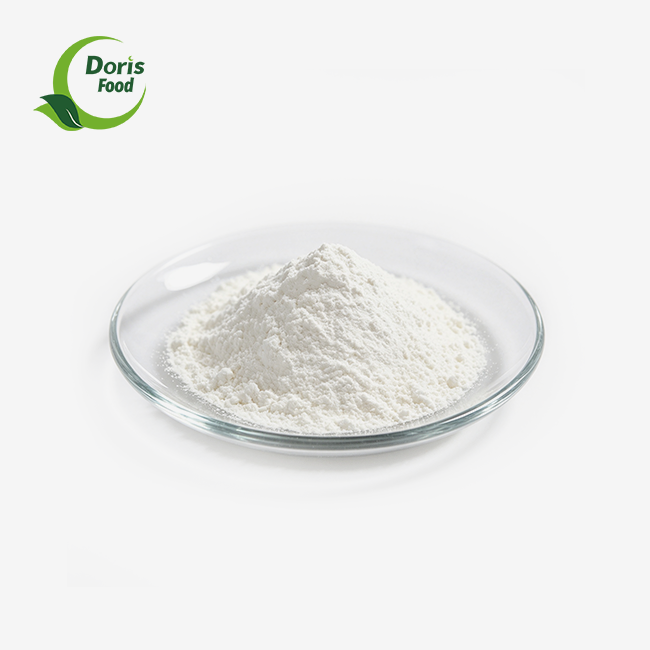
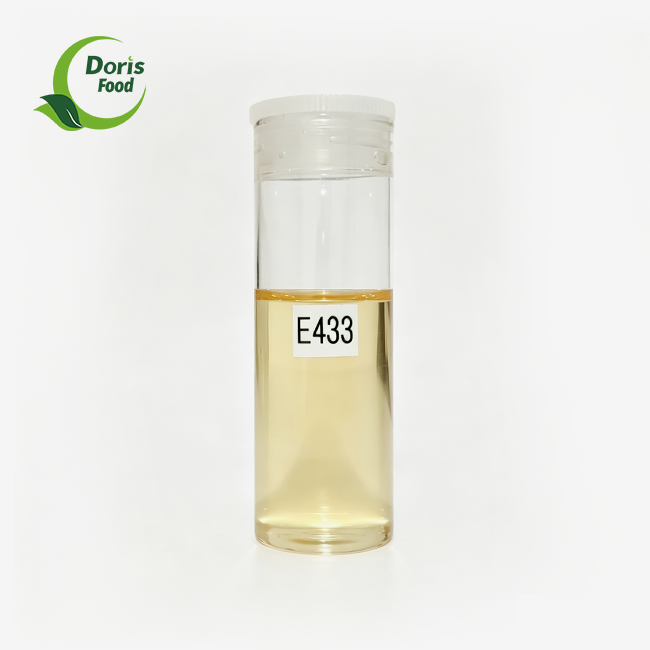
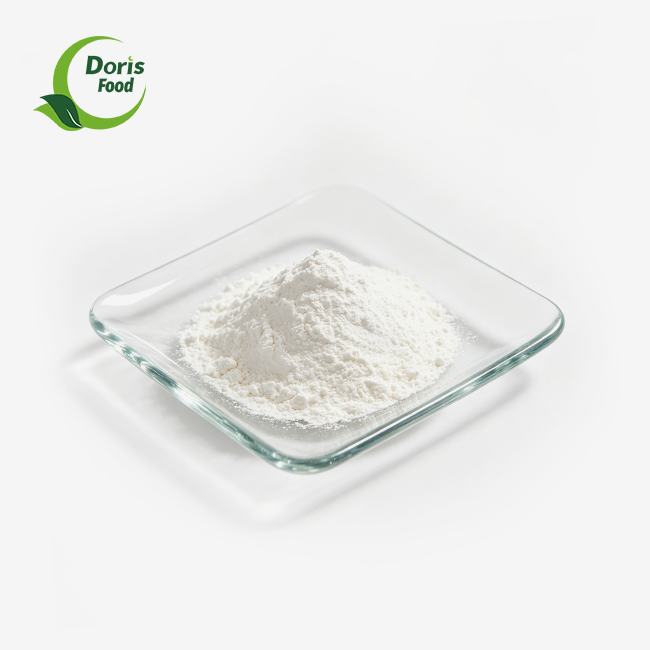
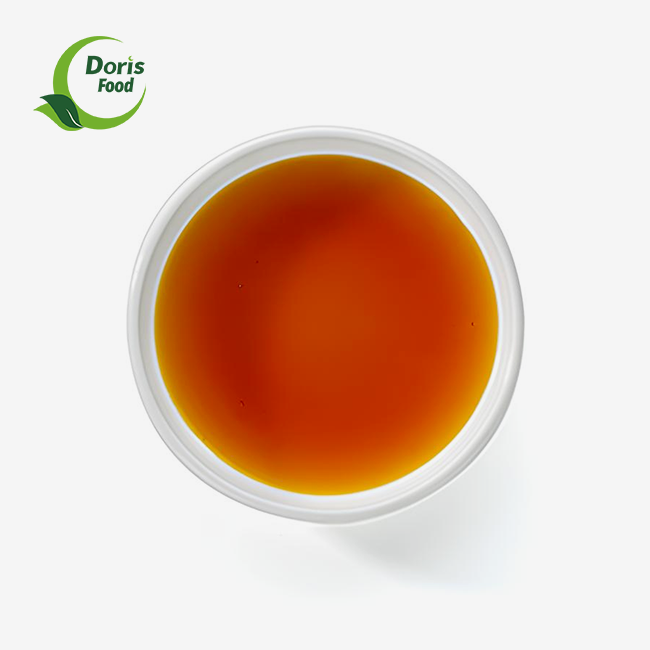
| Appearance | Light brown, yellowish viscous liquid | Visual inspection |
| CAS Number | 29894-35-7 | - |
| E Number | E476 | - |
| Acid Value | ≤6.0 mgKOH/g | Titration |
| Saponification Value | 170–200 mgKOH/g | AOCS method |
| Hydroxyl Value | 120–170 mgKOH/g | Acetylation method |
| Iodine Value | 72–103 (gI₂/100g) | Wijs method |
| Heavy Metals (Pb) | ≤2.0 ppm | AAS/ICP-MS |
| Arsenic (As) | ≤3.0 ppm | AAS/ICP-MS |
| HLB Value | Approximately 1.5–3.0 | Calculation |
| Solubility | Soluble in oils and fats; insoluble in water | Solubility test |
| Refractive Index | 1.4630–1.4665 | Refractometry |
| Maximum Usage Level | 0.5% (5g/kg) in chocolate | Regulatory guideline |
Frequently Asked Questions
Q1: How does the product reduce chocolate viscosity exactly
A:It works by decreasing friction between solid particles like cocoa, sugar, and milk powder. This modification lowers yield stress, allowing molten chocolate to flow more smoothly during coating and molding processes.
Q2: Can I use it in products other than chocolate?
A:Absolutely. Beyond confectionery, it stabilizes water-in-oil emulsions in low-fat spreads and margarines. Industrial bakeries also use it in tin release agents to prevent dough sticking under high-sugar conditions.
Q3: What's the ideal dosage for compound coatings?
A:Most manufacturers achieve optimal results at 0.2%–0.5% by weight. This range provides excellent flow properties while staying well within regulatory limits across major markets.
Q4: Does it affect chocolate's shelf life or bloom resistance?
A:When properly formulated, it actually improves coating uniformity, which can enhance bloom resistance. It doesn't negatively impact shelf stability when stored under standard conditions.
Q5: How do you ensure batch-to-batch consistency?
A:We conduct hydroxyl value testing on every production lot to verify emulsification strength. Gas chromatography confirms fatty acid profiles, ensuring your formulations perform identically across multiple orders.
Q6: Is technical support available for formulation optimization?
A:Yes. Our application specialists provide guidance on dosage rates, processing temperatures, and synergistic ingredient combinations tailored to your specific production equipment and product goals.
Contact Us for Product Solutions
Our team is here to discuss your specific requirements for pgpr e476 and provide samples for evaluation.
Email us at info@dorisfood.com