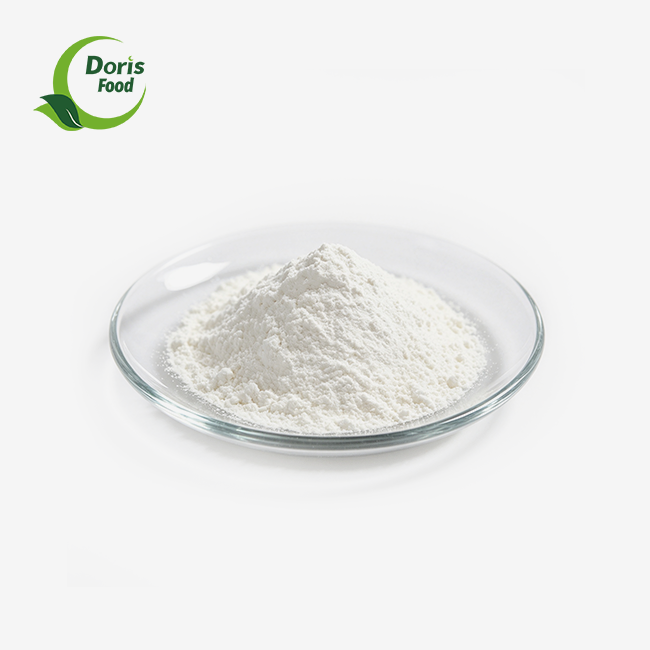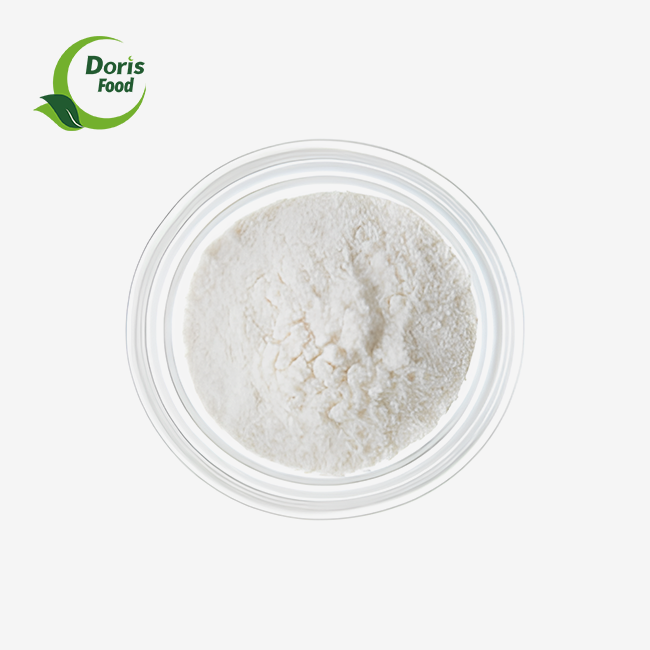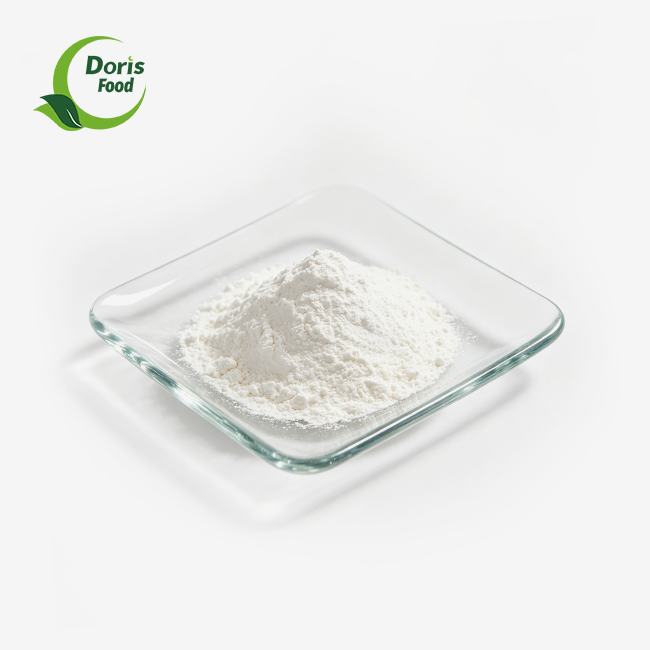
food grade Propylene glycol alginate
Product Description
Food Grade Propylene Glycol Alginate Manufacturer and Supplier
Our food grade Propylene glycol alginate (E405, CAS 9005-37-2) is a natural polymer derived from kelp alginic acid, engineered to solve critical challenges in acidic and calcium-rich food systems. It is very stable down to pH 3.0 and has a Degree of Esterification range of 70% to 85%. Its viscosity profiles can also be changed between 400 and 800 mPa.s.
With our wide range of 208 goods, we serve 97 customers around the world in the dairy, foods, baking, and drinks industries. Our plant can provide 12 MT per 20' FCL, which guarantees a steady supply and quick satisfaction.
Why Choose Us?
Certified Quality You Can Trust
Consistency is important for your production line. In order to do that, we keep our FDA, ISO, HALAL, KOSHER, and FSSC certifications up to date. These standards make sure that all of our batches of propylene glycol alginate meet the safety standards for food around the world.
Through our quality control system, we can fully track everything from where the raw materials come from to when they are delivered. You'll get all the paperwork you need with every package.
Customized Solutions Within 7 Days
We understand how hard it is for you to formulate. Our technical team creates custom propylene glycol alginate solutions for your needs, whether you need to keep beer foam stable at 40–100ppm or stop syneresis in acidic yogurt drinks.
Formulation creation takes seven days to finish. The production is over after about 15 days. You'll also get professional application advice to help you find the best dose and dissolving ways.
Global Logistics Network
We help your supply chain by giving you a range of shipping choices, such as sea freight, air freight, and land transportation. With our mixed container filling service, you can ship more than one item at once, which saves you money on shipping costs.
Your goods will arrive on time thanks to competitive freight solutions and quick help with customs clearing. We keep some goods in stock so that we can meet urgent needs.
One-Stop Procurement Advantage
Why deal with multiple suppliers when you can get 208 food items from a single, reliable source? Our customers buy up to 28 different kinds of ingredients from us, which makes buying easier and makes management's job easier.
This combination cuts down on your buying costs while keeping the quality of all of your ingredients the same.
Food Grade Propylene Glycol Alginate Advantages
Superior Acid Stability
Unlike standard hydrocolloids that precipitate in acidic environments, our food grade Propylene glycol alginate maintains its structural integrity and emulsifying properties at pH 3.0-5.0. Because of this, it is the best binder for fruit drinks, salad sauces, and dairy goods that have been made acidic.
The key is in its amphiphilic chemical structure, which has both acidic groups that like water and propylene glycol groups that like fat. Other chemicals don't work as well as this one at keeping your goods stable.
Calcium Ion Tolerance
Your dairy products and drinks with added calcium need a binder that won't gel up at the wrong time. Because its carboxylic groups have been esterified, our propylene glycol alginate doesn't react with calcium. This keeps the flexible fluidity of mineral-rich products.
This changes everything for plant-based milks and protein drinks, where calcium interactions usually ruin the taste.
Exceptional Foam Stabilization
Our ingredient is the best for keeping foam stable for brewers and beverage makers. It keeps beer foam safe from fats and cleansers, even at low doses (40–100ppm), so your customers can expect a creamy head that lasts a long time.
It lowers the interfacial tension to steady oil-in-water emulsions without giving them a chalky feeling like starch-based options.
Heat Process Stability
Your HTST and UHT steaming methods won't hurt the performance of your products. Our product is very stable at high temperatures and keeps its useful qualities after normal heat treatments used in the beverage business.
This resistance to heat cuts down on production waste and makes sure that stability from batch to batch.
Specifications
| Parameter | Specification |
|---|---|
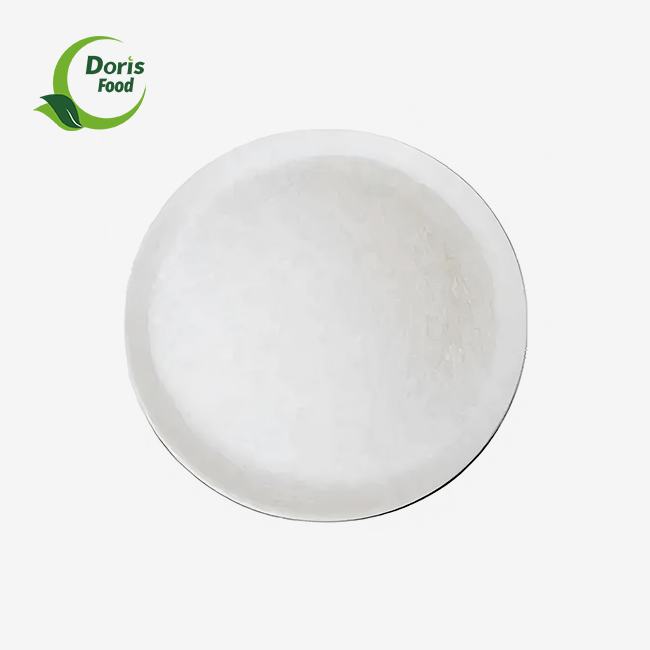
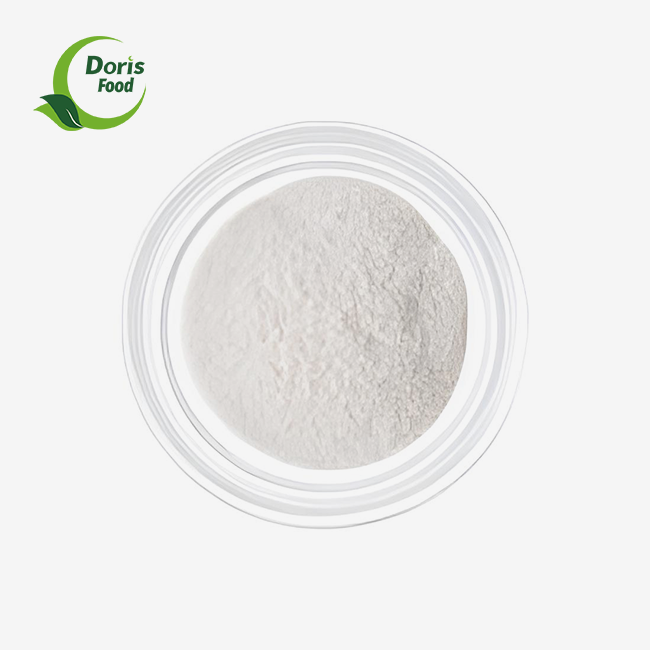
| Appearance | White to off-white powder |
| Viscosity (1%, Brookfield LVF, #3 Spindle, 60rpm) | 400-800 mPa.s (customizable) |
| Particle Size | 95% pass 60 mesh |
| Degree of Esterification | ≥ 80% |
| Loss on Drying (105℃, 4h) | ≤ 15% |
| pH (1% solution) | 3.0 - 4.5 |
| Total Propylene Glycol | 15 - 45% |
| Free Propylene Glycol | ≤ 15% |
| Ash Insolubles | ≤ 1% |
| Arsenic (As) | ≤ 3 mg/kg |
| Lead (Pb) | ≤ 5 mg/kg |
| Mercury (Hg) | ≤ 1 mg/kg |
| Cadmium (Cd) | ≤ 1 mg/kg |
| Heavy Metals (as Pb) | ≤ 20 mg/kg |
| Total Plate Count | ≤ 5000 cfu/g |
| Yeast & Mould | ≤ 500 cfu/g |
| Salmonella spp. / 10g | Negative |
| E. Coli / 5g | Negative |
| E Number | E405 |
| CAS Number | 9005-37-2 |
| Packaging | 12 MT per 20' FCL |
Frequently Asked Questions
Q: How does your propylene glycol alginate differ from sodium alginate in calcium-rich systems?
A: Unlike sodium alginate which gels instantly upon contact with calcium, our ingredient is calcium-insensitive due to esterification of its carboxylic groups. This allows it to stay liquid and stable in dairy products and fortified beverages.
Q: What's the best way to dissolve it to avoid clumping?
A: Pre-blend with other dry ingredients like sugar, or use a high-shear mixer. It dissolves in both cold and warm water. This prevents "fish eyes" and ensures smooth incorporation into your formula.
Q: Can it withstand high-temperature pasteurization?
A: Absolutely. Our propylene glycol alginate exhibits excellent thermal stability and maintains its functional properties after HTST or UHT treatments commonly used in beverage production.
Q: Why might beer foam collapse despite using your product?
A: This typically occurs due to residual oils on glassware or incorrect dosage. Ensure concentration is optimized (40-100ppm) and the product is fully dissolved before the filtration stage.
Q: Is your product non-GMO and allergen-free?
A: Yes. Derived from marine seaweed and processed through chemical esterification, it contains no common allergens or GMO DNA. It's perfect for clean-label initiatives that your consumers demand.
Contact Us
Ready to enhance your product stability with premium food grade Propylene glycol alginate? Contact us today at info@dorisfood.com.